



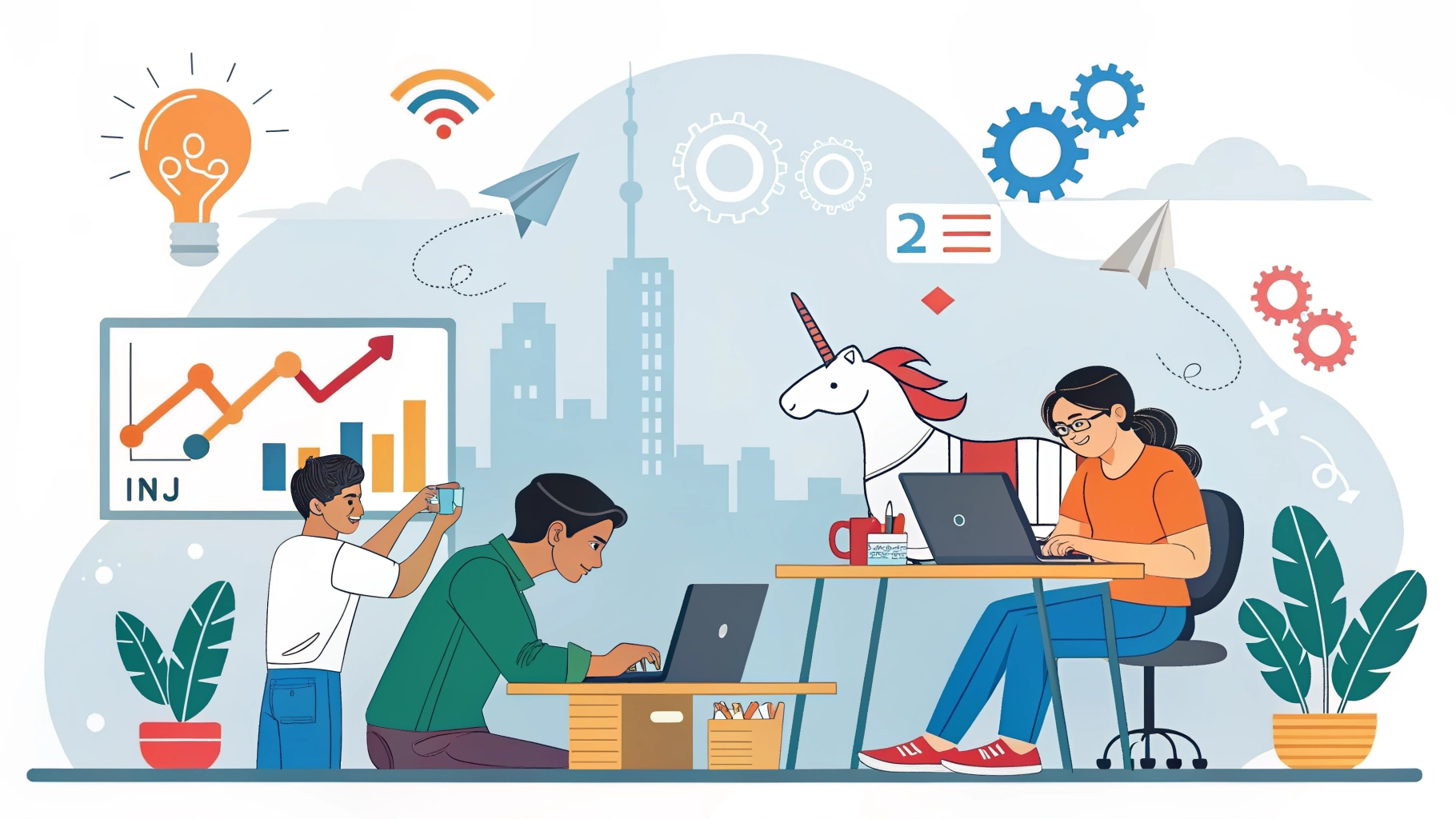
Introduction to India’s Startup Ecosystem
The startup ecosystem in India has witnessed remarkable evolution over the past decade, establishing itself as one of the most dynamic and vibrant entrepreneurial environments globally. As of 2026, this ecosystem has become a critical pillar of India’s economy, generating substantial employment opportunities and fostering innovation across various sectors. The phenomenal growth can be attributed to several factors, including a burgeoning population of young, tech-savvy individuals, increasing access to digital infrastructure, and a robust network of investors eager to support disruptive ideas.
India’s startup landscape is characterized by a prolific increase in the number of unicorns, which are privately held startups valued at over $1 billion. This surge has not only been a reflection of the entrepreneurs’ innovative capabilities but also highlights the increasing investor confidence in India’s potential as a startup hub. In 2026, India boasts a burgeoning pool of unicorns, with multiple startups achieving this status each year, leading to a more competitive and diverse market.
Government initiatives play a crucial role in shaping the startup ecosystem, with policies designed to promote entrepreneurship and incentivize innovation. Programs such as “Startup India” aim to provide a supportive framework by facilitating easy access to funding, mentorship, and market opportunities. Additionally, the government has implemented various tax benefits and regulatory easements to encourage new ventures, further solidifying the status of India as a premier destination for startups.
The cumulative effects of these factors have led to a thriving startup environment in India, where emerging entrepreneurs are continuously pushing the boundaries of technology and business models. As we delve deeper into the specifics of India’s thriving startups, it is evident that the ecosystem’s resilience and creativity remain pivotal to the country’s economic aspirations.
Key Industries Driving Startup Growth
As of 2026, India’s startup ecosystem is significantly influenced by several key industries that are not only thriving but also innovating rapidly. Among these, fintech, health tech, e-commerce, and edtech stand out due to their transformative potential and adaptive strategies in response to the unique challenges posed by the Indian market.
Fintech has emerged as a frontrunner in the startup domain, driven by a growing middle class and increased internet penetration. With an array of services ranging from digital wallets to blockchain solutions, fintech startups are addressing critical issues like access to credit and financial literacy. Despite regulatory hurdles and security concerns, this sector is poised for significant growth as it continues to attract substantial investments.
Health tech is another burgeoning industry, particularly relevant in light of recent global health crises. Startups offering telemedicine, personalized health solutions, and wellness products have gained immense traction. However, they must navigate challenges related to data privacy, regulatory compliance, and patient trust, all while capitalizing on the increasing demand for accessible healthcare solutions.
In the realm of e-commerce, the landscape is evolving rapidly thanks to changing consumer behaviors influenced by digital trends. Startups focusing on niche markets or utilizing innovative logistics solutions are gaining favor as they cater to specific consumer needs. The challenges associated with e-commerce include ensuring supply chain efficiency and adapting to changing consumer preferences, which present significant yet manageable obstacles.
Lastly, edtech has gained prominence by revolutionizing how education is delivered. With the acceleration of online learning platforms, startups in this sector are developing interactive and personalized learning experiences. The challenges of maintaining engagement and facilitating equitable access to education are prevalent, yet the opportunities for growth remain substantial.
In conclusion, the interplay of innovation, investment, and consumer demand across these sectors is significantly propelling the growth of startups in India, marking a pivotal year in the evolution of the startup ecosystem.
Top 10 Startups to Watch in 2026
India’s startup landscape is flourishing, particularly as we approach 2026. Here, we highlight ten promising startups that are poised to shape the future of various industries.
1. AgriTech Innovations: Focused on revolutionizing farming, AgriTech Innovations uses AI and IoT to optimize crop yield. Founded in 2020, its innovative platform helps farmers to use resources efficiently, which is crucial in addressing food security.
2. HealthCare Next: Launched in 2021, HealthCare Next aims to personalize health services by utilizing big data analytics. Its unique approach has attracted significant investment, positioning it as a leader in health technology.
3. EduSmart: This startup is transforming education by offering personalized learning experiences through an advanced online platform. Founded during the pandemic, it quickly gained traction due to the need for remote learning solutions.
4. CleanTech Solutions: CleanTech Solutions has made remarkable strides in renewable energy, focusing on sustainable practices. Its innovative products are helping industries reduce carbon footprints, aligning with global sustainability goals.
5. FinTech Forward: Established in 2022, FinTech Forward is reshaping the banking sector with its user-friendly mobile banking services. By leveraging blockchain technology, it offers secure transactions and financial services.
6. TravelGate: This travel startup is using AI to provide personalized travel experiences. Founded in 2021, it rapidly gained a loyal customer base, making travel planning a seamless task.
7. FoodTech Revolution: This startup focuses on plant-based food products. Its innovative offerings cater to the growing demand for healthy and sustainable food options, making it a game-changer in the food industry.
8. E-Commerce Hub: This platform provides a marketplace for local artisans, allowing them to sell their crafts online. Launched in early 2021, it promotes small businesses and has become an essential part of the e-commerce ecosystem.
9. CyberSecure: As cybersecurity becomes increasingly important, CyberSecure offers cutting-edge solutions for individuals and businesses alike. Founded in 2022, it is already making waves in the tech industry.
10. GreenMobility: Focused on electric mobility, GreenMobility is developing affordable electric vehicles that are accessible to the masses. Its innovative approach addresses urban transportation challenges while promoting eco-friendly options.
These startups, with their innovative solutions and robust leadership, are not only making significant impacts in their respective sectors but also positioning themselves as leaders in the Indian startup ecosystem as we move into 2026.
Funding Trends and Investment Opportunities
The funding landscape for Indian startups in 2026 is marked by a dynamic interplay of innovation and investment, aiming to stimulate economic growth and foster technological advancements. Recent years have seen a notable rise in the amount of funding allocated to startups, with venture capital firms and angel investors actively seeking to support high-potential businesses across various sectors. This surge in investment is indicative of the growing confidence in the Indian startup ecosystem, as evidenced by the increasing number of successful exits and a flourishing entrepreneurial spirit.
In 2026, seed capital continues to be a critical focus for early-stage startups aspiring to establish their foothold. This type of funding is essential for innovators seeking to refine their ideas, develop prototypes, and validate their business models. Seed funding often comes from angel investors who play a pivotal role in nurturing nascent ventures. Additionally, Series A funding has emerged as a significant avenue for startups that have proven their initial products and are ready to scale operations. Here, venture capitalists are more likely to engage, providing the necessary financial backing to enhance market presence.
The investment trends in 2026 also reflect a broader interest in sustainable technologies and social enterprises, leading to the creation of funds specifically aimed at supporting startups in these domains. High-profile investors are diversifying their portfolios by including companies that contribute to environmental sustainability and social equity. Furthermore, the rise of crowdfunding platforms has empowered entrepreneurs to tap into collective funding sources, thereby democratizing the investment process.
Overall, the growing investment opportunities in India’s startup ecosystem signal a promising path ahead. The collaborative efforts of venture capitalists, angel investors, and innovative entrepreneurs are essential to navigate the challenges and fully realize the potential of startups in the years to come.
Government Support and Policies for Startups
In recent years, the Indian government has implemented a variety of policies and initiatives aimed at supporting startups, thereby fostering an entrepreneurial ecosystem within the country. Recognizing the critical role of startups in driving economic growth and innovation, the government has rolled out schemes designed to enhance access to funding, reduce regulatory burdens, and provide mentorship opportunities.
One of the significant initiatives is the “Startup India” program, which was launched in 2016. This initiative aims to create a conducive environment for startups through various measures, including a simplified registration process, tax exemptions for three consecutive years, and support for incubation programs. By reducing legal complexities and promoting ease of doing business, the government encourages more individuals to embark on their entrepreneurial journey.
Moreover, the government has introduced several financial schemes targeting startups, such as the Fund of Funds for Startups (FFS), which is managed by the Small Industries Development Bank of India (SIDBI). This initiative is pivotal in providing capital support to startups through venture capital firms, thus ensures that innovative businesses have the necessary financial resources to scale their operations.
Tax benefits play an instrumental role in encouraging entrepreneurship. Under the Income Tax Act, startups registered with the Department for Promotion of Industry and Internal Trade (DPIIT) are eligible for a tax holiday, which allows them to operate without tax liabilities for specified periods. This financial relief enables young companies to invest more in innovation and development.
In addition to these financial incentives, various training and mentorship programs are provided through collaborations with educational institutions and industry leaders. These initiatives ensure that budding entrepreneurs have access to the necessary guidance and expertise required to navigate the complexities of starting and running a business.
Overall, the Indian government’s multifaceted approach towards supporting startups has resulted in a more favorable environment for innovation and entrepreneurship. The combination of financial support, policy reforms, and mentorship opportunities not only empowers startups but also contributes significantly to the country’s economic development.
Challenges Faced by Startups in 2026
As of 2026, startups in India are confronting a myriad of challenges that significantly impact their growth and sustainability. Among the foremost obstacles are regulatory hurdles, which can vary considerably across different states. Many emerging entrepreneurs find themselves grappling with compliance issues, excessive red tape, and a lack of clarity in policies. This complex regulatory environment often hinders innovation and slows the pace at which startups can bring their products to market.
Furthermore, market competition has intensified as the startup ecosystem matures. With a growing number of players entering various sectors, particularly in technology, healthcare, and e-commerce, securing a competitive edge has become increasingly challenging. Startups must continuously innovate, improve product offerings, and adopt effective marketing strategies to attract and retain customers. This pressure can be especially taxing on new entrants with limited resources.
Another significant challenge facing startups in India is talent acquisition. The demand for skilled labor has surged, leading to fierce competition for top-tier professionals. Startups often struggle to offer compensation and benefits that can compete with established companies, making it difficult to attract the skilled personnel necessary for sustaining innovation and growth. Rigorous recruitment processes and high turnover rates further complicate this issue.
Finally, funding remains a persistent challenge. While venture capital interest has increased in recent years, securing funding rounds has become notably tougher due to cautious investor attitudes. Many startups are finding it increasingly difficult to convince investors of their long-term viability. In navigating these multifaceted challenges, startups in India are adopting more strategic approaches, including forging partnerships, leveraging technology, and creating diverse revenue streams to enhance their chances of survival and success.
Success Stories: Lessons from Established Startups
The Indian startup ecosystem has witnessed remarkable growth, with many startups transforming into successful enterprises in recent years. This section examines several prominent Indian startups, highlighting their journeys, key takeaways, and the strategies that ensured their success. Understanding these success stories can provide invaluable insights for aspiring entrepreneurs navigating the competitive startup landscape.
One prominent example is Flipkart, founded in 2007 as an online bookstore, which has since evolved into one of India’s leading e-commerce platforms. Flipkart’s success can be attributed to its customer-centric approach and innovative solutions, such as the introduction of cash-on-delivery, which catered to the preferences of Indian consumers. By continuously adapting to market demands and focusing on enhancing the user experience, Flipkart built a loyal customer base that propelled its growth.
Another noteworthy startup is Ola Cabs, which revolutionized the transportation sector in India. Launched in 2010, Ola not only provided a convenient ride-hailing service but also expanded its offerings to include various mobility solutions. A key takeaway from Ola’s success is the importance of strategic partnerships and leveraging technology to optimize operations. By investing in data-driven decision-making, Ola has successfully navigated challenges and captured significant market share.
Paytm, a fintech giant, further exemplifies the power of innovation in startup success. Founded in 2010, Paytm initially began as a mobile recharging platform but transformed into a comprehensive financial services provider. Its emphasis on cashless transactions, especially during the demonetization period in India, underscored the potential for financial technology to address accessibility issues. Paytm’s journey illustrates the significance of agility and responsiveness to market trends in achieving sustained success.
In conclusion, studying the journeys of successful Indian startups reveals critical lessons in customer engagement, technology utilization, and market adaptability. By learning from these case studies, aspiring entrepreneurs can adopt proven strategies that may enable them to thrive in the ever-evolving startup environment.
The Future of Startups in India
The landscape of startups in India is poised for substantial transformation in the coming years, driven by rapid advancements in technology and a growing emphasis on social responsibility. Emerging technologies such as artificial intelligence, blockchain, and the Internet of Things (IoT) are set to redefine industry standards and unlock new business avenues. Startups harnessing these innovations will likely dominate the market, paving the way for more efficient operations and enhanced consumer engagement.
Moreover, the rise of sustainability as a primary concern for consumers and businesses alike is reshaping the entrepreneurial environment. There is an increasing expectation for startups to align with sustainable practices, which will not only contribute positively to the environment but also attract conscious consumers. The integration of eco-friendly models in business operations is predicted to be a hallmark of the successful startups of 2026.
Social entrepreneurship is also gaining traction, with entrepreneurs aiming to address societal issues while generating profit. This dual-focus approach not only fulfills market needs but enhances community welfare. As a result, startups that incorporate a social mission alongside their business objective are expected to resonate with investors and consumers, particularly the younger, socially-conscious demographic.
The overall business ecosystem will likely evolve to support these trends. With government policies increasingly favoring innovation and sustainability, accelerators and incubators dedicated to nurturing these startups will proliferate. Additionally, access to funding through venture capital and crowdfunding platforms is anticipated to increase, further fueling the growth of diverse startup ventures.
In summary, the future of startups in India appears vibrant, characterized by a blend of technological innovation, sustainability, and social engagement. Entrepreneurs who can adeptly navigate these trends will play a pivotal role in shaping an inclusive and dynamic economic landscape in the coming years.
Conclusion: The Road Ahead for Indian Startups
As we look towards 2026, the landscape of Indian startups presents a promising panorama that is both dynamic and multifaceted. Startups have emerged as pivotal contributors to India’s burgeoning economy, driving innovation, creating jobs, and fostering competitive markets. The vitality of this ecosystem cannot be overstated; it fuels not only economic growth but also social transformation. With the right blend of government support, access to capital, and a culture that nurtures creativity, India is poised to become a global powerhouse for innovation.
Competition in the startup space will intensify, requiring entrepreneurs to adopt agile methodologies and innovative solutions. The importance of adaptability cannot be underestimated, as market demands continue to evolve at a rapid pace. Embracing disruptive technologies and focusing on scalable strategies will be critical for startups aiming to capture market share and establish themselves as industry leaders.
Moreover, nurturing young and aspiring entrepreneurs will be vital for sustainable growth in the sector. Educational initiatives that emphasize entrepreneurship, mentorship from established business leaders, and collaboration between startups and academia can facilitate the emergence of future innovators. As the government continues to implement policies that support ease of doing business and incentivize venture capital investments, the pathway for new startups becomes increasingly clear.
In conclusion, the road ahead for Indian startups is lined with opportunities for those willing to innovate and adapt. By fostering a supportive environment, embracing technology, and focusing on sustainable practices, India’s startups can not only thrive but also affirm their role as essential drivers of the nation’s economic future. This journey requires collaboration among all stakeholders — from entrepreneurs to policymakers — to ensure a robust ecosystem that encourages creativity and sustained growth.
